 By Jackton Nero
Clothing forms the fundamental structure of an outfit, but jewelry provides its soul. For thousands of years, humans have adorned themselves with metals, stones, and shells. While the materials have evolved from ancient talismans to modern fine jewelry, the underlying psychological and stylistic purpose remains unchanged. Jewelry is a powerful medium for self-expression, a tool for visual transformation, and an understated source of personal confidence.
When you select a piece of jewelry, you are doing much more than choosing an ornament. You are deciding how to present your identity to the world and altering how you feel internally. Understanding the relationship between jewelry, personal style, and psychology allows you to curate a wardrobe that looks beautiful and empowers you from the inside out.
The Stylistic Impact of Jewelry on an Outfit
The primary fashion function of jewelry is to unify an outfit. Without accessories, even the most expensive garments can look unfinished or stark. Jewelry acts as the connective tissue that ties disparate elements of your clothing together.
Defining the Mood and Aesthetic
Jewelry holds the unique capability to steer a single outfit in entirely different stylistic directions. A simple black shift dress serves as an excellent example.
-
The Classic Elegance: Pairing the dress with a strand of freshwater pearls and simple diamond studs creates a timeless, conservative look ideal for a formal dinner or a corporate event.
-
The Modern Edge: Swapping the pearls for a chunky, industrial silver chain necklace and architectural geometric rings instantly shifts the aesthetic to contemporary, edgy, and avant-garde.
-
The Bohemian Vibe: Layering multiple turquoise pendants, beaded bracelets, and oversized hammered metal hoops gives the exact same dress a relaxed, artistic, and festival-ready feel.
By altering your jewelry, you multiply the versatility of your wardrobe, allowing a few high-quality clothing basics to serve dozens of different purposes.
Creating Focal Points and Directing the Eye
Jewelry functions as a visual map for the observer. You can use specific pieces to highlight your favorite physical features or draw attention away from areas about which you feel self-conscious.
-
Earrings: A pair of striking earrings frames your face, drawing attention to your eyes, cheekbones, and smile. They ensure that during a conversation, the focus remains on your expressions.
-
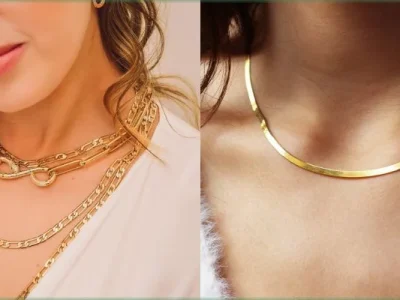
Necklaces: Long pendants elongate a short torso, while choker-style necklaces draw the eye to the collarbone and neck, creating an elegant vertical line.
-
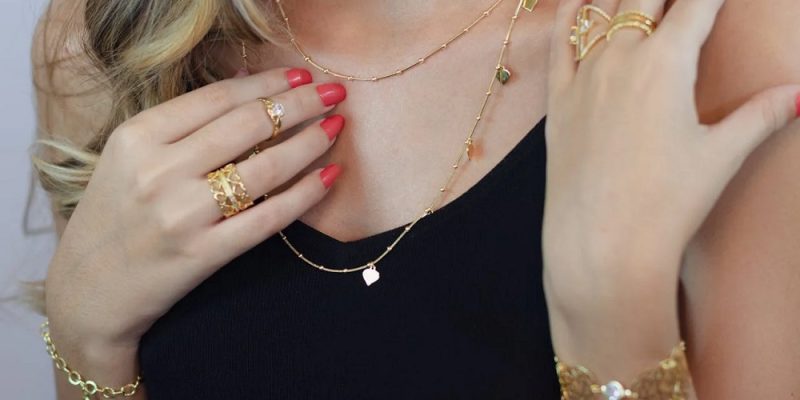
Rings and Cuff Bracelets: These pieces draw attention to the hands. They add a dynamic layer of movement to your gestures as you speak, making you appear more expressive and engaging.
The Psychology of Jewelry and Internal Confidence
While the external impact of jewelry on style is obvious, the internal impact on psychology is often overlooked. The concept of enclothed cognition demonstrates that the items we wear directly influence our psychological processes and performance. Jewelry plays a significant role in this phenomenon.
The Armor Effect
Many people view their jewelry as a form of symbolic armor. Slipping on a heavy, structured watch or a bold cocktail ring before an important business presentation or a difficult conversation can provide a tangible sense of security. The physical weight of the metal against your skin serves as a grounding mechanism, reminding you of your strength, competence, and readiness to face challenges.
This feeling of strength often comes from the specific design of the jewelry you wear. A classic tennis chain is a great example of a piece that gives both style and a sense of confidence. The continuous line of closely set stones has a clean, uniform look that feels substantial on the skin. It has a simple elegance that works well for daily wear or special events. People often find that wearing such a well-crafted piece helps them feel more put together throughout the day.
Sentimental Anchors and Emotional Strength
Jewelry is rarely just an aesthetic choice; it is frequently tied to memories, milestones, and relationships. Wearing an heirloom ring passed down through generations, a necklace gifted by a partner, or a bracelet purchased to celebrate a career promotion fills the item with emotional resonance.
When you wear these pieces, you carry those memories and support systems with you. This emotional connection acts as a subtle, constant stream of positive reinforcement throughout your day, boosting your resilience and self-assurance.
Curating a Identity Through Metals and Gemstones
The choices you make regarding jewelry materials communicate volumes about your personality and lifestyle before you ever speak a word.
Gold Versus Silver Architecture
The preference for gold or silver often extends beyond skin undertones into the realm of personal philosophy and style identity.
-
Yellow Gold: Historically associated with warmth, royalty, and tradition, yellow gold commands attention. It feels rich, classic, and deliberately visible, making it a favorite for individuals who embrace a warm, inviting, or overtly luxurious aesthetic.
-
Silver and White Gold: These metals offer a sleek, industrial, and understated look. Silver feels crisp, modern, and coolly sophisticated. It appeals to those who favor minimalism, architectural lines, and subtle elegance.
The Language of Gemstones
Incorporating gemstones into your jewelry collection introduces color psychology into your personal style. Diamonds and clear crystals signal clarity, precision, and unyielding strength. Deep blue sapphires or rich green emeralds project an air of wisdom, stability, and calm authority. By intentionally selecting stones that align with your daily goals, you reinforce your desired mindset.
Strategic Rules for Harmonious Accessorizing
To ensure your jewelry enhances your style rather than cluttering it, you must practice restraint and understand balance.
The Principle of Dominance
When accessorizing, establish a clear hierarchy. Choose one major statement piece to be the hero of your look. If you choose a large, intricate statement necklace, your earrings should be simple studs, and your wrists should remain bare or minimally adorned. When every piece of jewelry is loud, they compete with one another, resulting in visual confusion that detracts from your confidence.
Matching Jewelry to Fabric Weights
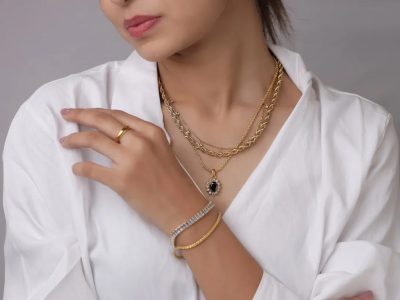
Ensure the visual weight of your jewelry matches the textile weight of your clothing. Lightweight, airy fabrics like silk, chiffon, and fine linen pair beautifully with delicate, thin chains and dainty rings. Conversely, heavy fabrics like chunky wool sweaters, corduroy, and leather jackets require substantial, thick metal pieces and larger stones so the jewelry does not get swallowed by the texture of the garment.
Frequently Asked Questions
How can I wear jewelry in a conservative corporate environment without looking unprofessional?
In a conservative workplace, stick to classic, quiet luxury items that do not create noise or distraction. A sleek analog watch, simple pearl or diamond stud earrings, and a single thin chain necklace are ideal. Avoid stacked bangles that clank against your desk or keyboard, and steer clear of overly large, flashy gemstones that could distract from your professional contributions.
Is it acceptable to mix different styles of jewelry such as vintage and modern pieces?
Yes, mixing jewelry eras and styles is an excellent way to create a unique personal aesthetic. To make the combination look cohesive rather than accidental, find a common denominator between the pieces. This could be a shared metal color, a similar gemstone shape, or a consistent scale. For instance, pairing a vintage gold signet ring with a modern, minimalist gold band creates an intriguing contrast.
How do I maintain my jewelry so it continues to look pristine and boost my confidence?
Proper care is essential for maintaining the brilliance of your jewelry. Store pieces separately in soft pouches to prevent scratching. Remove jewelry before swimming, showering, or applying lotions and perfumes, as chemicals can dull metals and damage stones. Clean your pieces regularly using warm water, mild dish soap, and a soft-bristled toothbrush to remove built-up oils and dirt.
Can men wear jewelry beyond a traditional wedding band and watch to enhance style?
Men have an array of options for incorporating jewelry into their personal style. Leather or metal cuff bracelets, understated signet rings, sleek tie bars, and sophisticated cufflinks are excellent entry points. A simple silver or oxidized steel chain necklace tucked slightly beneath a collar adds subtle texture and a modern edge to casual outfits.
How do I choose the right necklace length for a crewneck shirt?
For a standard crewneck shirt, you have two optimal paths. You can choose a short necklace, measuring roughly sixteen inches, that sits entirely on your skin above the collar line. Alternatively, you can opt for a longer chain, between twenty-two and twenty-four inches, with a substantial pendant that drapes cleanly over the front of the fabric, creating an elongated line.
What is the best way to start building a high-quality jewelry collection on a budget?
Begin by investing in foundational basics made from durable materials like sterling silver, gold-filled metal, or vermeil, which offer the look and longevity of solid gold at a fraction of the price. Focus on three versatile items: a pair of everyday hoops or studs, a medium-thickness chain necklace, and a simple stacking ring. Once you have these staples, you can slowly save for unique statement pieces.