 By Jackton Nero
Many people stare into a closet full of clothes and feel as though they have absolutely nothing to wear. The temptation is often to purchase more garments, chasing the latest apparel trends in hopes of revitalizing a stale wardrobe. However, the secret to a dynamic, versatile wardrobe does not lie in buying more clothes. Instead, it lies in mastering the art of accessorizing.
Accessories possess a unique ability to completely alter the mood, formality, and aesthetic of basic garments. A simple white t-shirt and classic blue jeans can shift from casual weekend loungewear to a chic dinner outfit simply by swapping out a few key pieces. By understanding how to strategically deploy jewelry, bags, footwear, belts, and eyewear, you can maximize your existing wardrobe and transform your everyday style.
The Economics and Psychology of Accessorizing
Investing in high-quality apparel can be expensive, and trends change quickly. Accessories offer a practical and cost-effective alternative to constantly renovating your clothing collection.
Maximizing Your Cost Per Wear
The concept of cost per wear dictates that the value of an item increases the more times you wear it. A striking evening gown might only be worn once or twice, resulting in a high cost per wear. Conversely, a classic leather handbag, a sleek watch, or a pair of versatile sunglasses can be worn hundreds of times across various outfits, reducing their cost per wear to pennies. By focusing your budget on adaptable accessories, you stretch your clothing budget further.
Boosting Confidence Through Personal Expression
Clothing provides the baseline canvas, but accessories allow your unique personality to shine. Whether you favor minimalist geometric shapes, bold bohemian textures, or timeless vintage pieces, your choices signal who you are to the world. Taking control of these small details boosts your personal confidence, helping you feel more aligned with your outward appearance.
Transforming Casual Basics into Statement Looks
The most dramatic demonstration of the power of accessories is their effect on everyday basics. Monochromatic, neutral, or highly simple outfits offer a blank slate waiting for creative direction.
Elevating the White T-Shirt and Denim Combination
Consider the standard uniform of a plain white tee and blue denim. On its own, it is comfortable but entirely ordinary. You can take this exact base and steer it in multiple stylistic directions.
-
The Sophisticated Minimalist: Add a delicate gold chain necklace, sleek leather loafers, and a structured black crossbody bag. This creates a clean, polished look suitable for a casual office environment or a coffee meeting.
-
The Urban Trendsetter: Swap the loafers for clean white sneakers, throw on an oversized baseball cap, and layer a couple of chunky silver chains. Suddenly, the outfit feels modern, youthful, and grounded in streetwear culture.
-
The Evening Bound: Replace the casual shoes with high-heeled mules, add a bold red lipstick, put on dramatic statement earrings, and carry a sleek clutch. The transformation from daytime lounge to night-out elegance is complete without ever changing your shirt or pants.
This exercise proves that your clothes do not define the destination of your look; your details do.
Strategic Use of Different Accessory Categories
To effectively transform your everyday style, you must understand the specific roles that different categories of accessories play within an ensemble.
Jewelry as a Focal Point
Jewelry acts as the light reflector for your outfit. It draws the eye to specific areas, such as your face, collarbone, or hands.
-
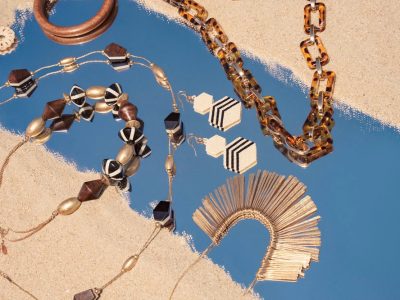
Necklaces: Layering delicate chains creates a subtle, textured look that enhances low necklines. A single heavy pendant or a chunky collar necklace can anchor an oversized blazer or sweater, giving it a intentional, stylized edge.
-
Earrings: Studs provide a quiet touch of shine for corporate settings. Statement hoops or drop earrings can frame your face and elevate casual updos, making an unstyled messy bun look like a deliberate fashion choice.
-
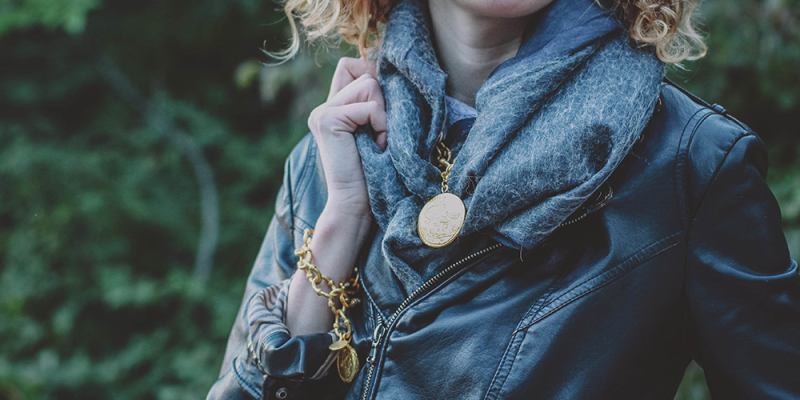
Rings and Bracelets: Stacking rings or sliding on a thick cuff bracelet adds movement and interest to your hands, which is especially noticeable during conversations or dinners.
The Power of Structural Bags
A handbag should never be an afterthought. Beyond holding your essentials, the structure, material, and color of your bag can alter the weight of your silhouette.
-
Structured Leather: Hard-sided satchels and top-handle bags inject immediate professionalism and polish into loose, flowing garments.
-
Slouchy Totes and Hobos: Soft, pliable fabrics or relaxed leathers communicate ease, relaxation, and a laid-back lifestyle.
-
Vibrant Clutches: A bright, colorful clutch can act as the sole pop of color in an otherwise entirely black or neutral outfit, creating an intentional focal point.
Footwear Alters the Posture and Tone
Shoes dictate how you carry yourself and set the definitive boundary for how formal or casual an outfit is.
-
Sneakers: Instantly dress down tailored trousers or slip dresses, lending a youthful, approachable vibe to formal garments.
-
Loafers and Oxfords: Inject an element of menswear-inspired structure and sophistication into everyday casual jeans or skirts.
-
Heels and Pointed Flats: Elongate the legs and naturally improve posture, adding an air of authority and refinement to any outfit.
Mastering Color, Texture, and Balance
To ensure your accessories look cohesive rather than chaotic, you must apply the principles of color theory, texture variation, and physical scale.
Playing with Color Contrast
If your wardrobe consists primarily of neutrals like black, white, gray, navy, and beige, accessories are your gateway to color. A bright red belt, an emerald green scarf, or mustard yellow shoes can breathe life into muted tones. When using bold colors, stick to one or two accent pieces to keep the look intentional.
Mixing Textures for Visual Depth
An outfit can feel flat if every item features the exact same finish. Introduce visual depth by playing with contrasting textures. Pair a matte wool sweater with a shiny patent leather bag. Match a smooth silk blouse with a rough, hammered metal cuff bracelet. This contrast creates subtle complexity that makes an ordinary outfit look high-end.
Maintaining the Scale of Your Silhouette
Always consider your overall silhouette when adding finishing touches. If you are wearing a large, oversized coat or a voluminous dress, small, delicate jewelry will get lost visually. Opt for substantial, heavy accessories to match the scale of the garment. Conversely, if you are wearing sleek, form-fitting activewear or a minimalist slip, heavy, clunky items can overwhelm the look.
Frequently Asked Questions
How can I use accessories to look taller without wearing high heels?
You can create the illusion of height by choosing accessories that draw the eye vertically. Long, delicate pendant necklaces, pointed-toe flats that match the color of your trousers, and high-waisted belts all create an elongated visual line that makes you appear taller without relying on heels.
How many accessories should I wear at one time for a balanced look?
A reliable rule of thumb for everyday wear is the rule of three. Choose three key accessories to focus on, such as a watch, a pair of earrings, and a belt. This ensures your outfit looks intentional and completed without feeling cluttered or overwhelming to the eye.
Can accessories help make cheap clothing look more expensive?
Yes, high-quality accessories are excellent tools for elevating budget-friendly garments. Pairing an inexpensive basic dress with a genuine leather belt, structured shoes, and well-made, tarnish-resistant jewelry instantly tricks the eye and lifts the perceived value of the entire outfit.
What accessories work best for transitioning from a cold morning to a warm afternoon?
Layerable textiles are perfect for unpredictable weather changes. A lightweight pashmina, a silk neck scarf, or a stylish fedora hat can keep you warm during chilly mornings. As the temperature rises, you can easily tie the scarf to your handbag strap or stow the hat away, transforming your look to suit the warmth.
How do I choose jewelry finishes that complement my skin tone?
Look at the veins on your wrist to determine your undertones. If your veins appear blue or purple, you likely have cool undertones, which are beautifully complemented by silver and white gold. If your veins look green, you have warm undertones, making traditional yellow gold and brass your best options. If you have a mix of both, you can easily wear either metal.
How can I use a scarf to change my outfit without wearing it around my neck?
Scarves are incredibly versatile components of style. You can wrap a silk scarf around the handle of a plain tote bag to add color, thread it through your belt loops instead of a traditional leather belt, or tie it around your ponytail or headband to instantly elevate your hairstyle.